
Bone Broth for Dogs
A simple homemade broth which can add moisture and flavour to a dog's normal food.
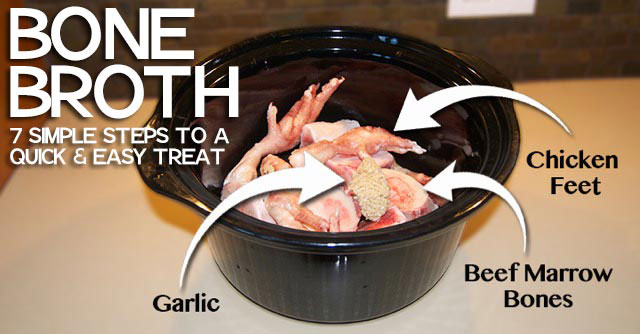
Bone broth is made by slowly simmering animal bones and connective tissue in water. Once all bones and fragments have been removed, the remaining liquid can be offered as an occasional treat or used as a topper for a dog's normal food.
It can be particularly useful for adding moisture and encouraging a dog with a reduced appetite to eat. However, a dog which is unwell or refusing food should be assessed by a veterinary surgeon rather than relying on bone broth alone.
Possible benefits
- Adds moisture to a dog's diet
- Can make ordinary food more appealing
- Is usually easy to lap and swallow
- Contains gelatin when made with joints and connective tissue
- Provides small amounts of protein, amino acids and minerals
- Can be divided into small portions and frozen
Joint, liver and digestive health
Bone broth contains gelatin and naturally occurring compounds from connective tissue. Although these may add nutritional value, bone broth should not be described as a treatment for arthritis, liver disease, digestive disease or a so-called “leaky gut”.
Claims that bone broth can detoxify the liver, repair the intestinal wall or treat joint disease have not been reliably demonstrated in dogs. Dogs with these conditions require appropriate veterinary diagnosis and treatment.
Important safety information
- Do not add onions, garlic, leeks, chives or other members of the Allium family. These can be harmful to dogs.
- Do not add salt, stock cubes, gravy granules, seasoning, artificial sweeteners or sauces.
- Avoid fatty meat and remove the hardened layer of fat before feeding.
- Do not use mouldy, spoiled, seasoned or previously cooked table scraps.
- Check purchased broth carefully because human products often contain onion, garlic and high levels of salt.
Dogs with pancreatitis, kidney disease, heart disease, food allergies or another condition requiring a restricted diet may not be suitable for bone broth. Ask your veterinary surgeon before offering it.
How to make bone broth
Ingredients
- A raw chicken or turkey carcass
- Raw beef marrow or joint bones
- Raw chicken wings or feet
- Enough fresh water to cover the bones
- One or two tablespoons of apple cider vinegar, if desired
You can use one type of bone or a mixture. Bones containing joints, cartilage and connective tissue are more likely to produce a broth which sets into a soft jelly when chilled.
Method
- Place the raw bones or carcass in a large pan or slow cooker.
- Add enough water to cover the bones by approximately 5–7 cm (2–3 inches).
- Add a small amount of apple cider vinegar if desired. This is optional and is not necessary for the broth to be suitable for your dog.
- Bring the water to a gentle simmer. If using a slow cooker, begin on the high setting and then reduce it to low.
- Cook gently for approximately 12–24 hours. Check the water level periodically and never leave a pan unattended on a hob.
- Allow the broth to cool sufficiently before handling it.
- Remove all the large bones and then strain the liquid several times through a fine sieve.
- Check the strained broth carefully to make certain that no bone, cartilage or sharp fragments remain.
- Place the broth in the refrigerator until completely chilled.
- Remove and discard the hardened layer of fat from the top.

Broth made with plenty of cartilage may set into a soft jelly when chilled. It is still usable if it remains liquid.
Storing bone broth
Store freshly prepared broth in a clean, covered container in the refrigerator and use it within three to four days.
For longer storage, freeze it in small containers or ice-cube trays. Once frozen, transfer the portions to a labelled freezer-safe container.
Defrost only the amount required. Discard broth which develops an unusual smell, colour, mould or signs of spoilage.
How much should I give?
Introduce bone broth gradually, beginning with a small amount mixed into the dog's normal food. Too much of any new food may cause diarrhoea or digestive upset.
The amount offered should be appropriate for the dog's size, normal diet and health. Treats and extras should make up only a small part of the dog's daily calorie intake.
Bone broth should not be used instead of water. Fresh drinking water must always be available.